


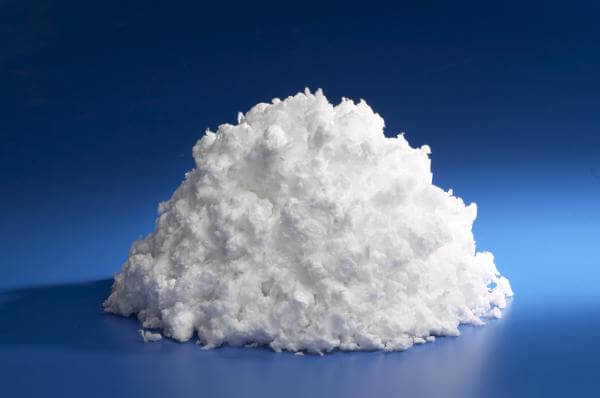
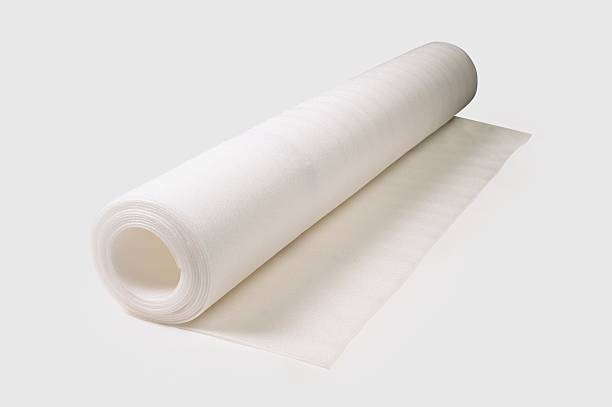
Ceramic fiber blanket is a high-temperature thermal insulation material used in industrial heating and heat protection applications. It is manufactured from ceramic fibers that are processed into flexible blanket form, making it lightweight, heat resistant, and suitable for industrial insulation systems.
Ceramic fiber blankets are commonly used in:
- Industrial furnaces
- Boilers
- Kilns
- Ovens
- Refineries
- Power plants
- HVAC insulation systems
- Thermal processing industries
These insulation blankets are designed to reduce heat loss, improve thermal efficiency, and protect industrial equipment operating at elevated temperatures.
Why Ceramic Fiber Blanket Is Widely Used in Industries
Industrial facilities often operate equipment that generates continuous heat. Without proper insulation, excessive heat loss can increase fuel consumption, reduce energy efficiency, and create unsafe working conditions.
Ceramic fiber blanket helps industries:
- Maintain process temperature
- Improve energy efficiency
- Reduce operational heat loss
- Protect equipment surfaces
- Improve worker safety
- Reduce thermal stress on systems
Because of its lightweight and flexible structure, ceramic fiber blanket is easier to install compared to many traditional rigid insulation materials.
Key Features of Ceramic Fiber Blanket
1. High Temperature Resistance
Ceramic fiber blankets are specially designed for high-temperature environments where standard insulation materials may fail.
They are commonly used around:
- Furnaces
- Boilers
- Industrial ovens
- Kilns
- Exhaust ducts
- Thermal reactors
2. Low Thermal Conductivity
One of the main advantages of ceramic fiber blanket is its ability to reduce heat transfer.
This helps:
- Maintain internal process temperature
- Reduce energy consumption
- Improve thermal performance
- Lower operating costs
3. Lightweight Structure
Unlike heavy insulation slabs or bricks, ceramic fiber blankets are lightweight and flexible.
This makes them suitable for:
- Curved surfaces
- Pipe insulation
- Furnace lining
- Expansion joints
- Complex industrial structures
4. Flexible Installation
Ceramic fiber blanket can be:
- Wrapped
- Folded
- Layered
- Cut into shapes
This flexibility makes installation easier in industrial insulation projects.
5. Thermal Shock Resistance
Industrial equipment often experiences temperature fluctuations. Ceramic fiber blankets can handle repeated heating and cooling cycles without significant structural damage.
Common Industrial Applications of Ceramic Fiber Blanket
Industrial Furnaces
Ceramic fiber blanket is widely used as:
- Furnace lining
- Backup insulation
- Heat containment material
It helps improve furnace efficiency and reduce external heat loss.
Boilers
Boilers generate continuous high temperatures. Ceramic fiber insulation helps:
- Maintain thermal stability
- Improve fuel efficiency
- Reduce heat radiation
Kilns and Ovens
Ceramic kilns and industrial ovens require reliable high-temperature insulation.
Ceramic fiber blanket helps:
- Maintain internal temperature
- Improve process consistency
- Reduce heat leakage
Power Plants
In power plants, ceramic fiber blanket is used around:
- Turbines
- Steam pipelines
- Exhaust systems
- Thermal chambers
Petrochemical and Refinery Applications
Refineries and process plants use ceramic fiber blankets for thermal insulation in:
- High-temperature process lines
- Reactor vessels
- Industrial heaters
- Expansion joints
Advantages of Ceramic Fiber Blanket
| Feature | Benefit |
|---|---|
| Lightweight Structure | Easy installation |
| Low Thermal Conductivity | Reduced heat loss |
| Flexible Design | Suitable for complex surfaces |
| High Heat Resistance | Industrial thermal protection |
| Thermal Stability | Reliable long-term performance |
| Energy Efficiency | Lower operational costs |
Ceramic Fiber Blanket vs Traditional Insulation Materials
| Property | Ceramic Fiber Blanket | Traditional Insulation |
|---|---|---|
| Weight | Lightweight | Heavy |
| Flexibility | High | Limited |
| Heat Resistance | Excellent | Moderate |
| Installation | Easy | More complex |
| Thermal Efficiency | High | Moderate |
| Industrial Use | Widely used | Application dependent |
Factors to Consider Before Choosing Ceramic Fiber Blanket
Before selecting ceramic fiber insulation, industries should evaluate:
Operating Temperature
Different industrial systems require different insulation grades.
Surface Type
Flexible blankets work better on curved and irregular surfaces.
Thermal Efficiency Requirements
Higher thermal efficiency may reduce long-term energy costs.
Industrial Environment
Moisture, vibration, and continuous heat exposure should be considered during insulation planning.
Ceramic Fiber Blanket in HVAC and Industrial Insulation
Although ceramic fiber blankets are commonly associated with furnaces and boilers, they are also used in selected HVAC and industrial insulation systems where high-temperature performance is necessary.
Examples include:
- High-temperature ducts
- Exhaust systems
- Heat processing units
- Thermal chambers
Maintenance and Inspection
Industrial insulation systems should be inspected periodically for:
- Physical damage
- Heat leakage
- Surface wear
- Installation gaps
Proper maintenance helps improve insulation performance and operational efficiency.
Why Industries Prefer Ceramic Fiber Blanket
Industries prefer ceramic fiber blanket because it offers:
- Reliable thermal insulation
- Flexible installation
- Industrial-grade heat resistance
- Energy-saving performance
- Long operational life
Its combination of lightweight structure and thermal efficiency makes it one of the commonly used insulation materials in industrial heat management systems.
Why Choose Mahalaxmi Enterprises?
Mahalaxmi Enterprises supplies industrial insulation materials suitable for:
- Thermal insulation projects
- Industrial heating systems
- HVAC applications
- Boilers and furnaces
- Industrial process plants
Our Focus Areas:
- Reliable insulation products
- Industrial application support
- Bulk supply solutions
- Technical insulation materials
- HVAC and thermal insulation systems
Frequently Asked Questions
What is ceramic fiber blanket used for?
Ceramic fiber blanket is used for industrial thermal insulation applications such as furnaces, boilers, kilns, ovens, reactors, and high-temperature process systems.
Is ceramic fiber blanket heat resistant?
Yes, ceramic fiber blanket is specially designed for high-temperature industrial insulation applications.
Can ceramic fiber blanket improve energy efficiency?
Yes, ceramic fiber blanket helps reduce heat loss and improve thermal efficiency in industrial systems.
Is ceramic fiber blanket lightweight?
Yes, ceramic fiber blanket is lightweight and flexible, making installation easier compared to many rigid insulation materials.
Where is ceramic fiber blanket commonly installed?
It is commonly installed in:
- Furnaces
- Boilers
- Kilns
- Industrial ovens
- Process plants
- Thermal insulation systems
Conclusion
Ceramic fiber blanket is an important industrial insulation material used for high-temperature thermal protection and energy efficiency applications.
Its lightweight structure, thermal stability, and flexible installation make it suitable for a wide range of industrial systems including furnaces, boilers, kilns, pipelines, and process plants.
As industries continue focusing on energy efficiency and thermal performance, ceramic fiber blanket remains one of the widely used insulation solutions in industrial thermal management systems.
Contact Mahalaxmi Enterprises
For bulk orders, industrial insulation supply, and technical support related to ceramic fiber blanket and thermal insulation materials.
